Leadership fit for purpose: Why non-profits keep choosing the wrong leaders
Instead of asking, “Who is the best leader?” contributor Stephen Murgatroyd argues, boards should be asking, “What kind of leadership is required by this organization now?”
Instead of asking, “Who is the best leader?” contributor Stephen Murgatroyd argues, boards should be asking, “What kind of leadership is required by this organization now?”
Boards that continue to recruit yesterday’s leadership profile will unintentionally constrain their organizations’ future capacity. Contributor Stephen Murgatroyd outlines the core capabilities non-profit boards should prioritize when appointing executive directors in 2026.
Amidst volatile, uncertain, complex, and ambiguous conditions, oversight without sense-making can become governance theatre. Contributor Stephen Murgatroyd outlines the practical steps boards can take to become sense-making engines.
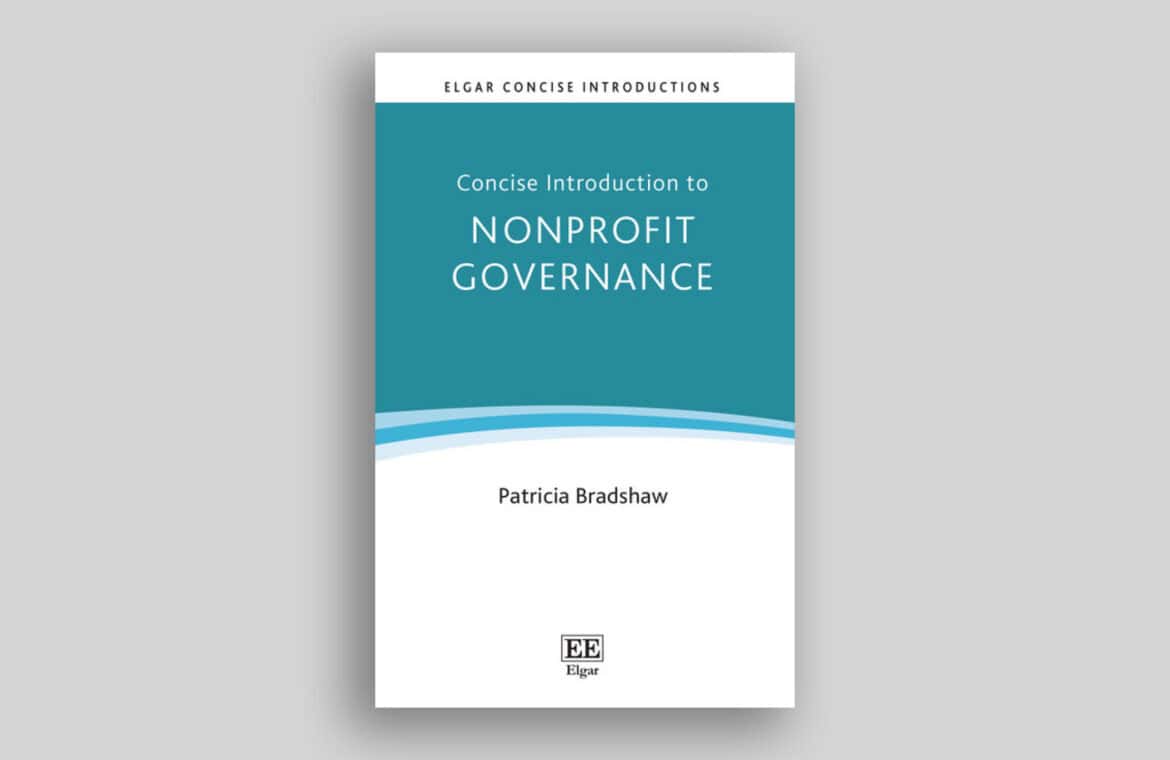
The Concise Introduction to Nonprofit Governance lives up to its title without sacrificing ambition, reviewer Julia Carr writes. Aimed primarily at students, it is also a valuable resource for board members and governance consultants.
A strong, engaged board is one of the most effective mechanisms for ensuring that founder control doesn’t supersede an organization’s needs and objectives, Susanna Kislenko and Cathy Barr write. They share some key strategies and a new guide for founder-led organizations.
The charitable and non-profit sector is bracing for what could be seismic change in Ottawa. But those who have steered foundations and charities through various changes in government warn against apocalyptic assumptions.
Les organismes à but non lucratif s’attaquent aux grands problèmes : la pauvreté, les inégalités en matière de santé, d’éducation et d’accès au travail, la discrimination
The intersectoral and multi-network consultation table focuses on citizens’ quality of life and affordable housing.