How strategic philanthropy is closing the gender health gap
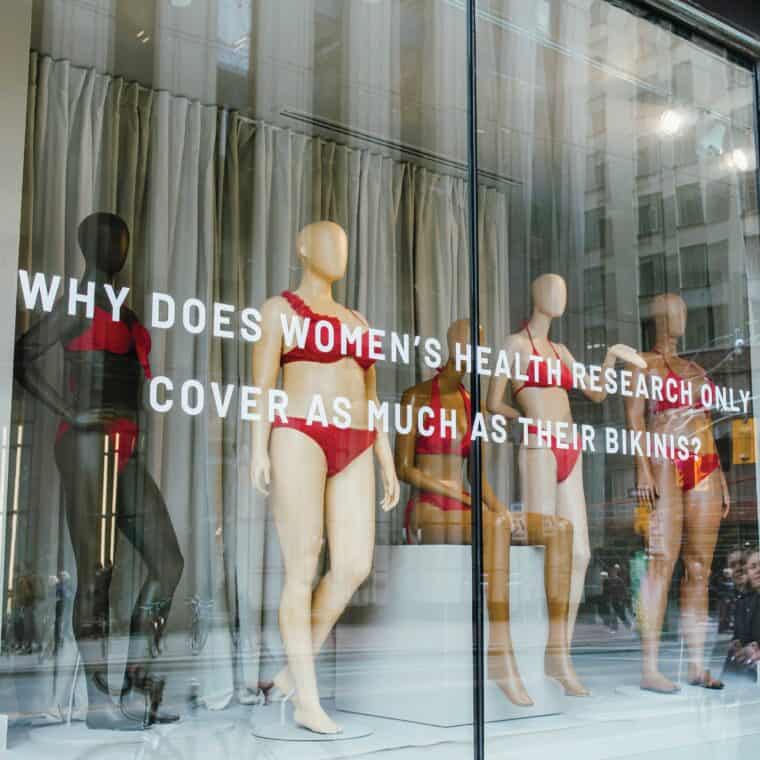
Purpose-driven wealth leaders – many of them women – are realizing there is a long-standing women’s health discrepancy and trying to narrow the gap.
Purpose-driven wealth leaders – many of them women – are realizing there is a long-standing women’s health discrepancy and trying to narrow the gap.
With nearly 10 million people in Canada living in food-insecure households, the political silence surrounding it all is perplexing and unacceptable, Right To Food’s Jasmine Ramze Rezaee argues.
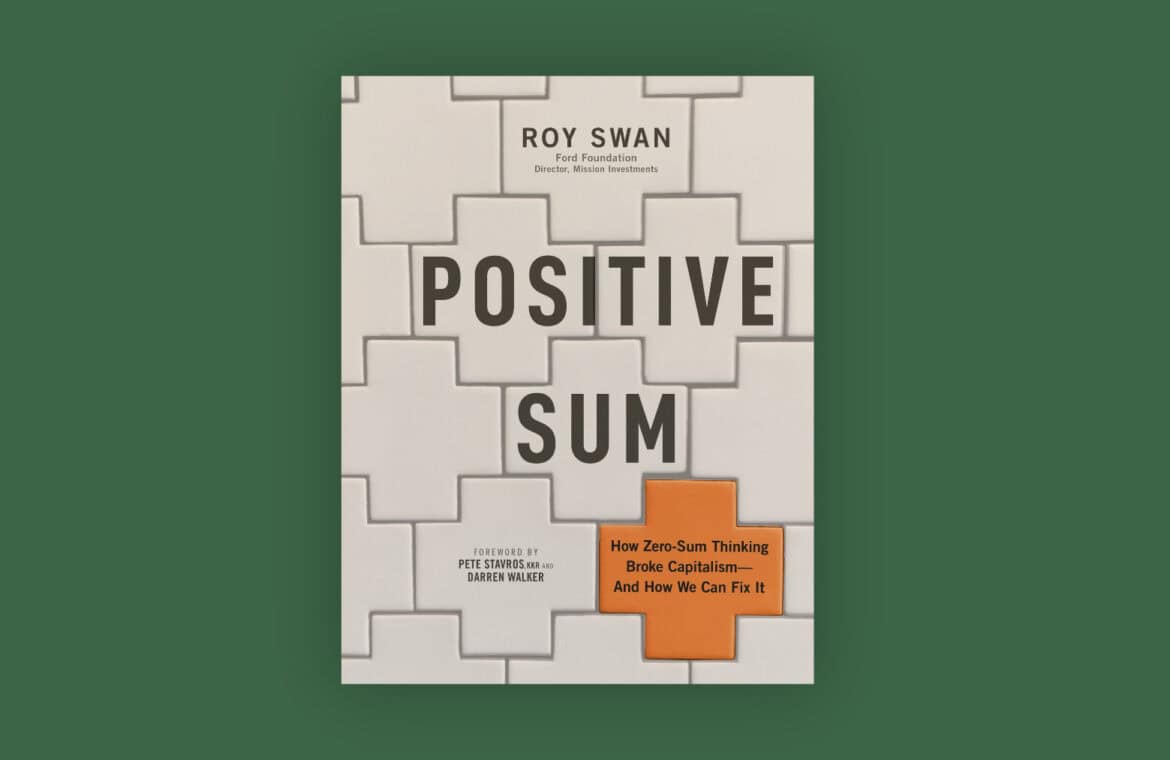
Author Roy Swan believes it is possible to shape a “positive sum” economic system “rooted in democracy, morality and reason” that values people as well as profit, reviewer Hilary Pearson writes.
The benefits of the role are vast, the CEO of Vantage Point argues, and it offers a model for all of Canada. She calls for the next government to commit to keeping the role, filling it promptly, and giving it adequate support.
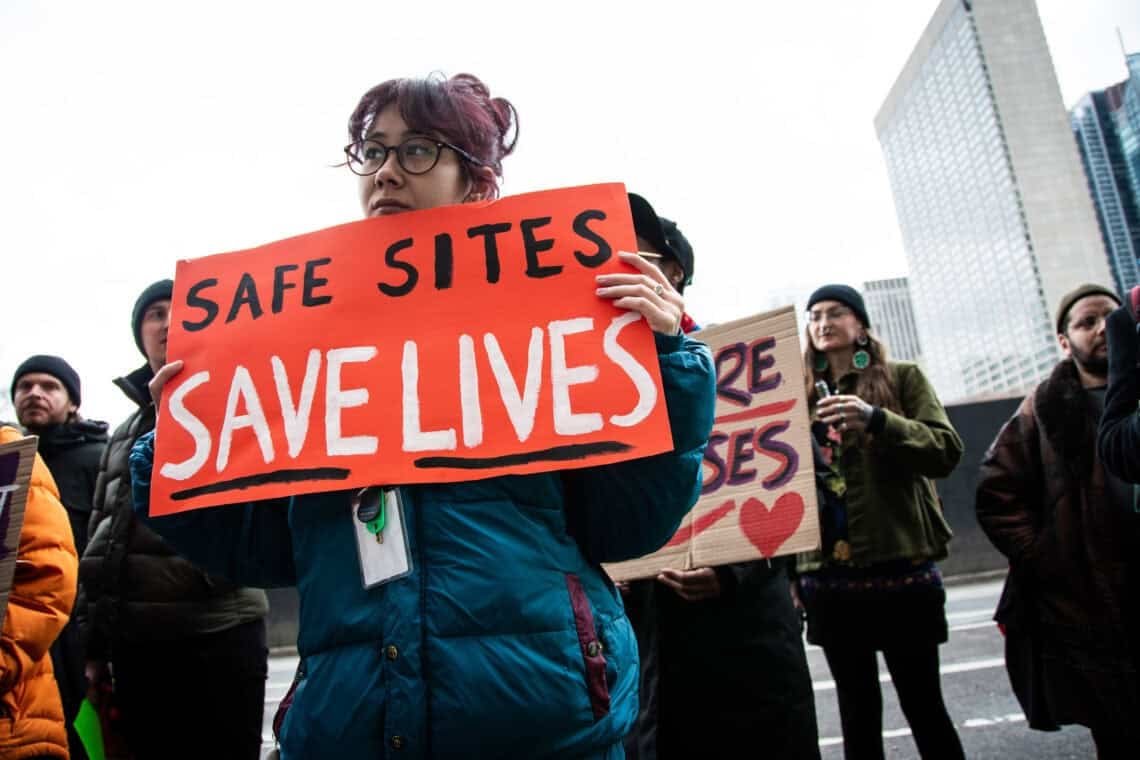
An anti-poverty narrative is fuelling mounting criticism, public scrutiny, and political pressure on non-profits doing front-line work, leading some to question whether they have the support to continue.
Across the support sector, many workers are struggling to provide critical support to vulnerable populations amidst circumstances that they have less and less control over.
Black non-profits have many stories waiting to be told about the impactful work they're doing, Nadia Tchoumi writes. But the resources and capacity required to tell those stories are lacking, compounded by a relationship with the media that has been historically hostile.
The ongoing DAF debate can and should be a segue to deeper conversations about the sector as a whole, and the much bigger concerns it faces, Darren Pries-Klassen argues.