Who works at Canadian philanthropic foundations?
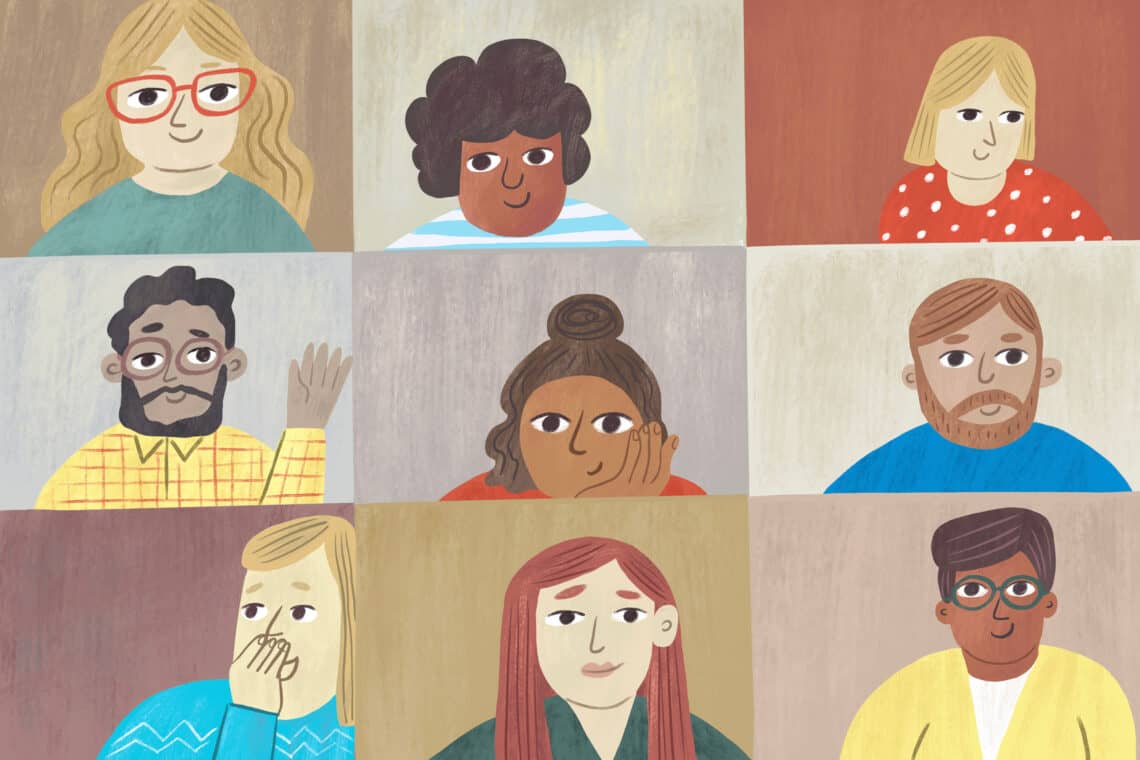
A new report offers insight into the people who work for Canadian foundations – which for many is no one at all – and the tension surrounding increasingly formalized workplaces.
A new report offers insight into the people who work for Canadian foundations – which for many is no one at all – and the tension surrounding increasingly formalized workplaces.
A Supreme Court judgment that allows Democracy Watch to keep pursuing its challenge of an ethics report on Justin Trudeau’s involvement in government decisions related to WE Charity has “enormous” implications, Tim Harper writes.
Writing fellow Gabrielle McMann looks at the impact on kids and families when few camps serve children with developmental disorders or disabilities.
Too often, religious organizations aren’t considered natural partners for secular philanthropic and charitable organizations. It’s a missed opportunity, contributor Toula Drimonis writes.
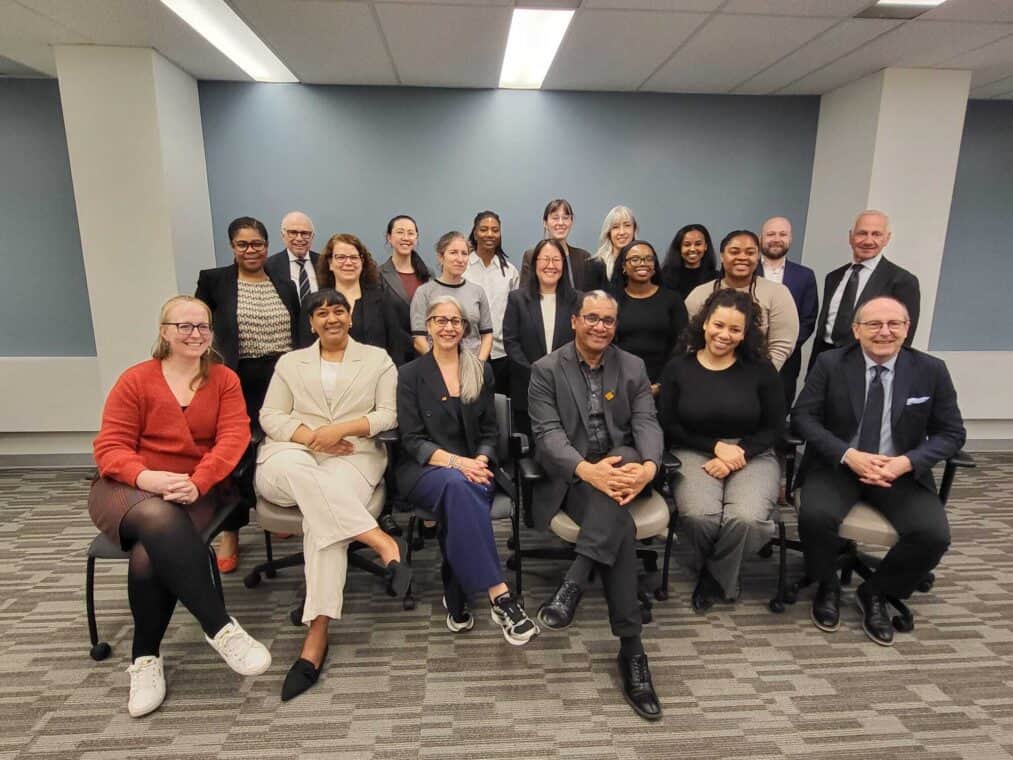
A healthy democracy used to be taken for granted by many in the sector. Now the “democracy question” has seized some of the country’s largest foundations, charities, and civil society organizations, and momentum is building.
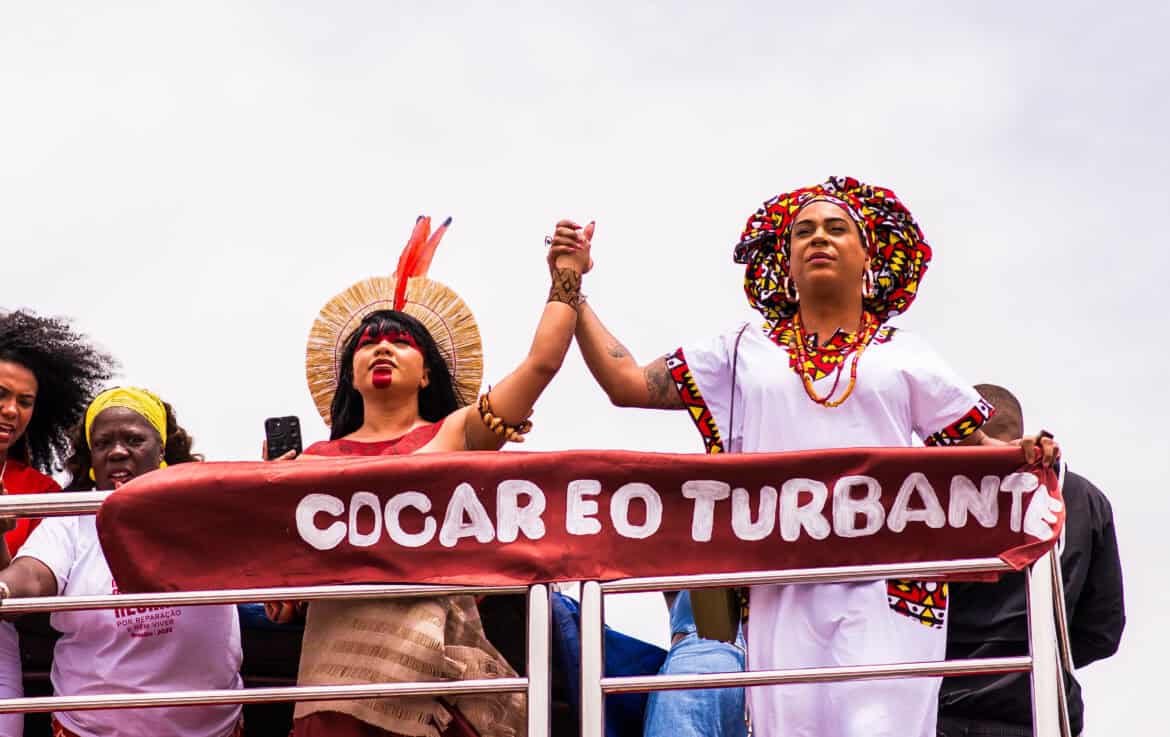
From mission-aligned investments to grantmaking that supports generational movements, feminist philanthropy has myriad lessons for the philanthropic sector writ large.
A sector coalition is advocating for flexible funding, while the government emphasizes accountability. Both are trying to reduce administrative burden. Can these needs co-exist?
This is the first piece from Gabrielle McMann, a writing fellow working with The Philanthropist Journal and The Local in Toronto.