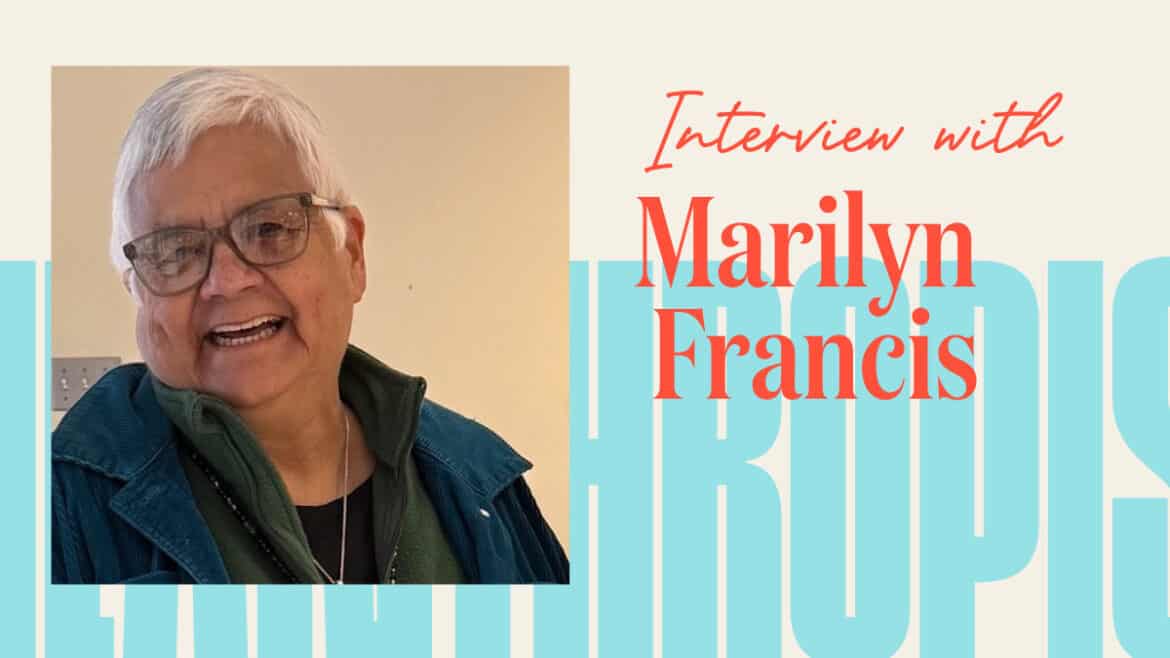
Mi'kmaw educator Marilyn Francis shares her unshakeable faith
This is our first story in a new series that will celebrate those rare individuals, the unsung heroes, who are the heart and soul of their organizations.
This is our first story in a new series that will celebrate those rare individuals, the unsung heroes, who are the heart and soul of their organizations.
This is the first piece from Gabrielle McMann, a writing fellow working with The Philanthropist Journal and The Local in Toronto.
Access to high-quality strategic planning in Canada’s non-profit sector is not evenly distributed, and that gap compounds everything else.
One organization shares how they are thinking about “equity and right relations” and reshaping their practices to reflect justice, reciprocity, and a deeper understanding of the histories that shape wealth and giving today.
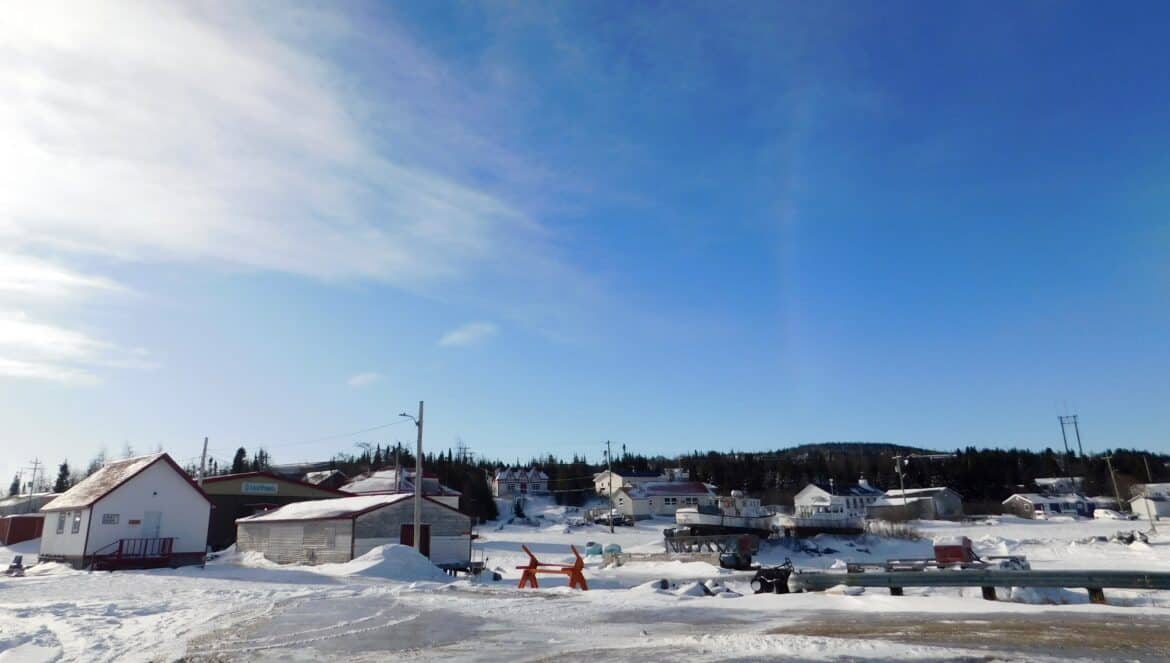
Inotsiavik is offering youth-led cultural programming, Inuttitut lessons, and more in northern Labrador. Founders say that winning the million-dollar Arctic Inspiration Prize in 2024 allowed them “to have the freedom to just do what the community wants to see.”
This is the first piece from Frey Blake-Pijogge, a writing fellow working with The Philanthropist Journal and The Independent in Newfoundland and Labrador.
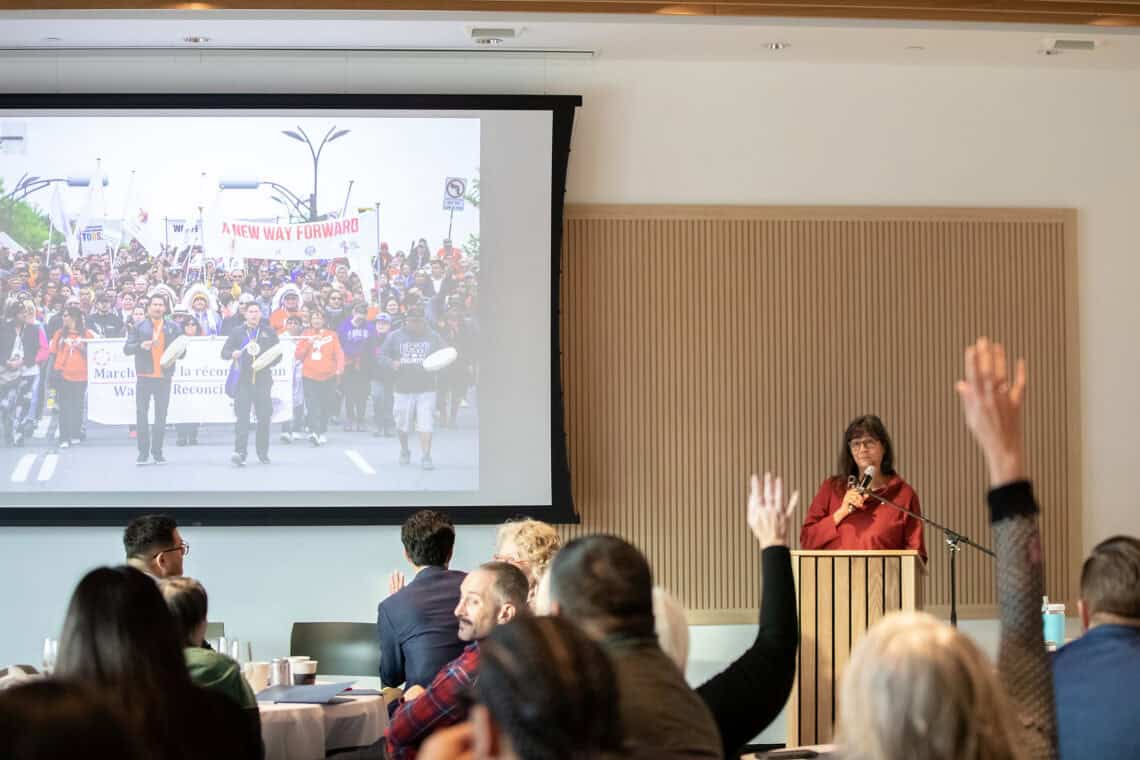
In 2015, the Canadian philanthropic community made a “pledge to do better” on reconciliation. At an event marking the 10th anniversary of the Declaration of Action, Indigenous-led charitable foundations took centre stage.
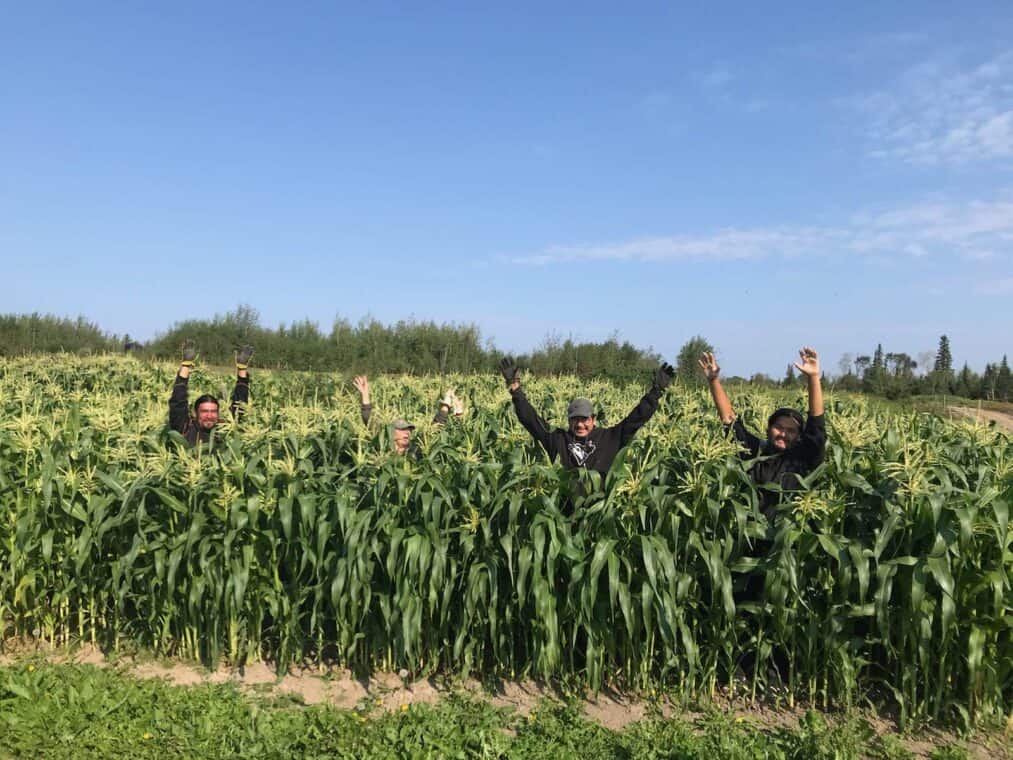
The lessons emerging from the work of the Northern Manitoba Food, Culture, and Community Collaborative – about collaboration, relationships, and learning to be a good helper – “can and should be adopted by all of philanthropy.”