How Canada learned to live with hunger
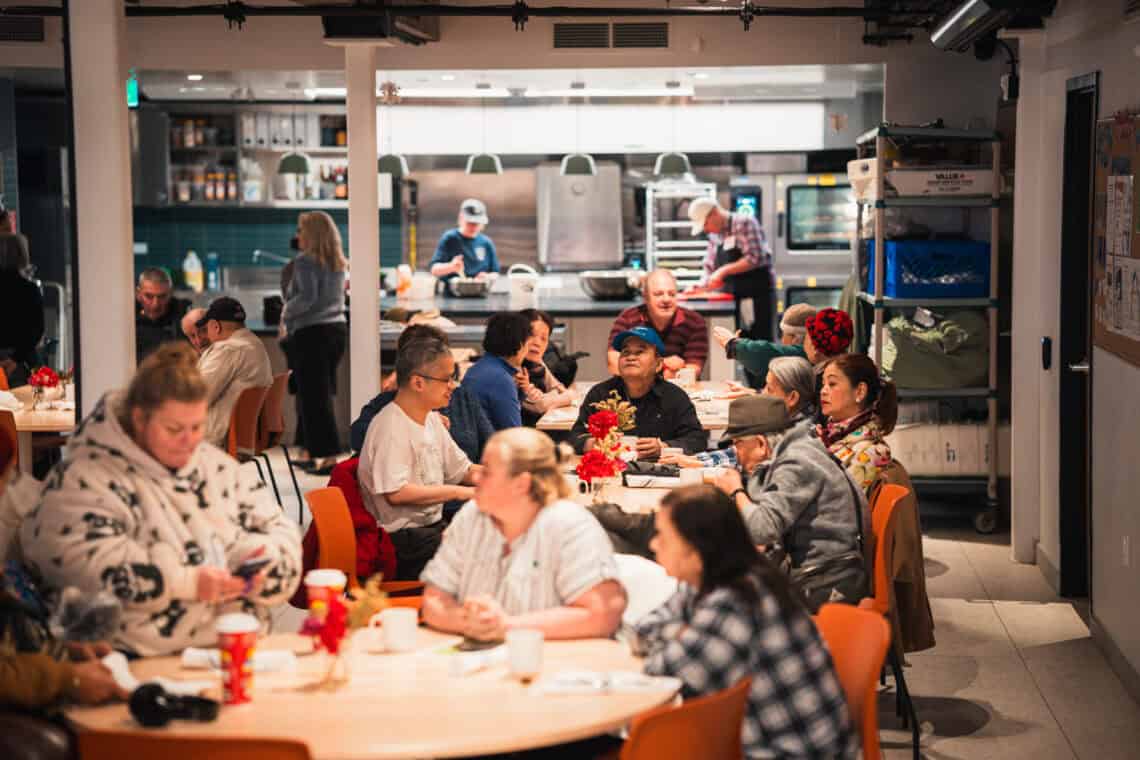
With nearly 10 million people in Canada living in food-insecure households, the political silence surrounding it all is perplexing and unacceptable, Right To Food’s Jasmine Ramze Rezaee argues.
With nearly 10 million people in Canada living in food-insecure households, the political silence surrounding it all is perplexing and unacceptable, Right To Food’s Jasmine Ramze Rezaee argues.
The benefits of the role are vast, the CEO of Vantage Point argues, and it offers a model for all of Canada. She calls for the next government to commit to keeping the role, filling it promptly, and giving it adequate support.
An anti-poverty narrative is fuelling mounting criticism, public scrutiny, and political pressure on non-profits doing front-line work, leading some to question whether they have the support to continue.
A Supreme Court judgment that allows Democracy Watch to keep pursuing its challenge of an ethics report on Justin Trudeau’s involvement in government decisions related to WE Charity has “enormous” implications, Tim Harper writes.
In this moment of uncertainty about Canada’s democratic future, we must prioritize the testing and scaling of solutions. The CEO of the Samara Centre offers three practical recommendations.
A healthy democracy used to be taken for granted by many in the sector. Now the “democracy question” has seized some of the country’s largest foundations, charities, and civil society organizations, and momentum is building.
A sector coalition is advocating for flexible funding, while the government emphasizes accountability. Both are trying to reduce administrative burden. Can these needs co-exist?
The president of the Volunteer Management Professionals of Canada issues a call to advocate for investment in Canada's chronically underfunded volunteering ecosystem, starting with a 10-question survey for leaders of volunteers across Canada.