Making the gaps visible: What an emergency fund is teaching us about philanthropy
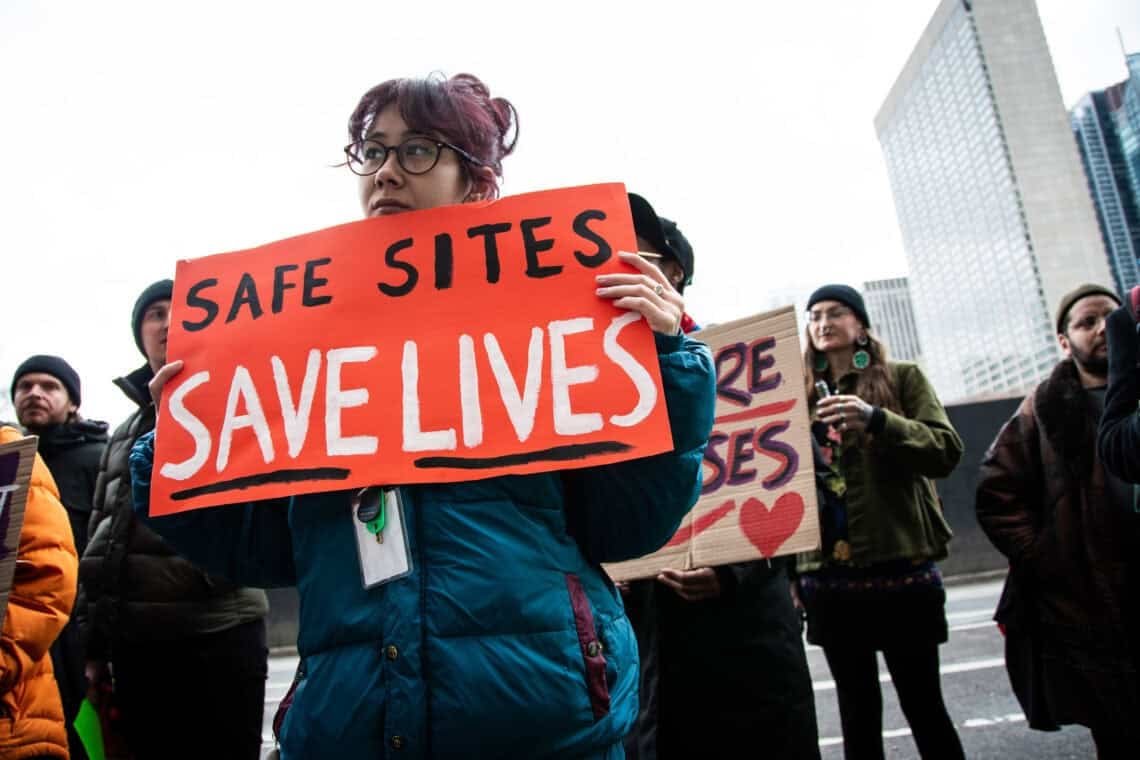
The Emergency Overdose Prevention Fund offers lessons in how we respond to immediate needs without losing sight of longer-term change.
A first-person account of how harm reduction can be the bridge to recovery, and a moving case for funding a spectrum of addiction services.
Purpose-driven wealth leaders – many of them women – are realizing there is a long-standing women’s health discrepancy and trying to narrow the gap.
An anti-poverty narrative is fuelling mounting criticism, public scrutiny, and political pressure on non-profits doing front-line work, leading some to question whether they have the support to continue.
It’s time for a “full scale-up” of integrated approaches to support youth, writes Ian Boeckh, who believes we can build a more connected and responsive mental health system for the next generation.
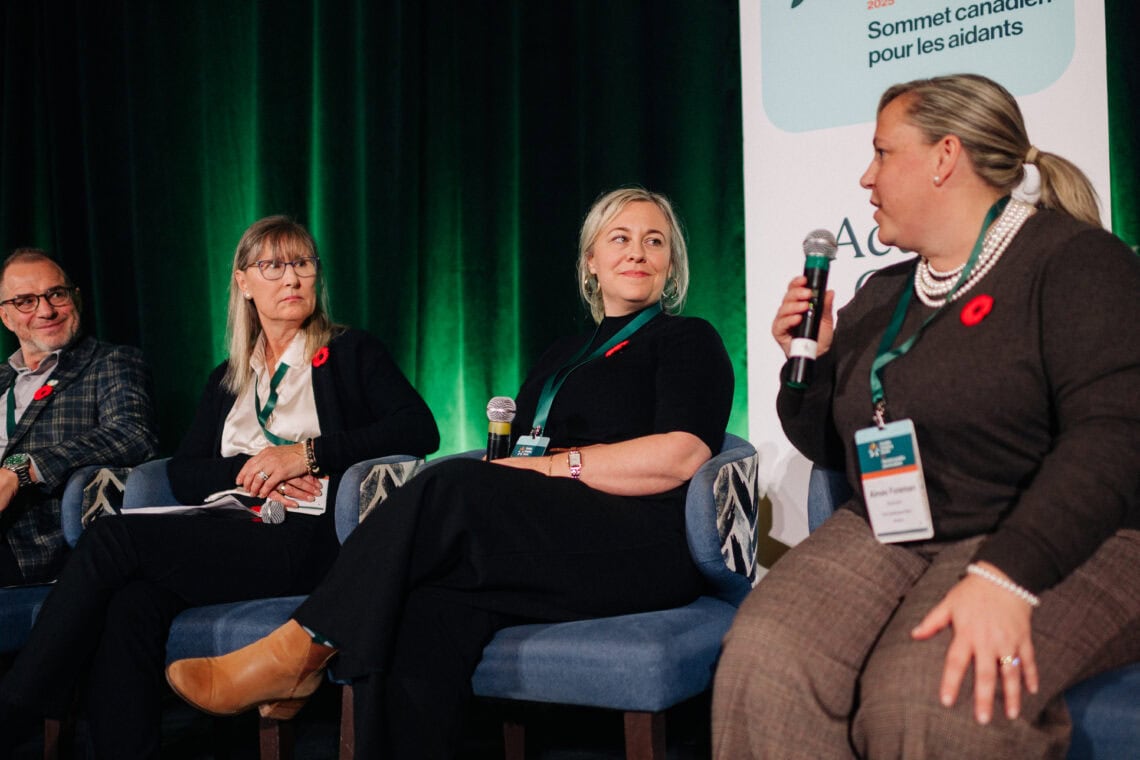
Coming to grips with the “existential” crisis in care amidst an increasingly austere economic environment requires not just financial support for caregivers, but broader system investments and reforms.
A partnership between a family foundation and a grassroots charity demonstrates what happens when two organizations trust each other enough to shift power, follow community wisdom, and explore an idea without prescribing what it must become.
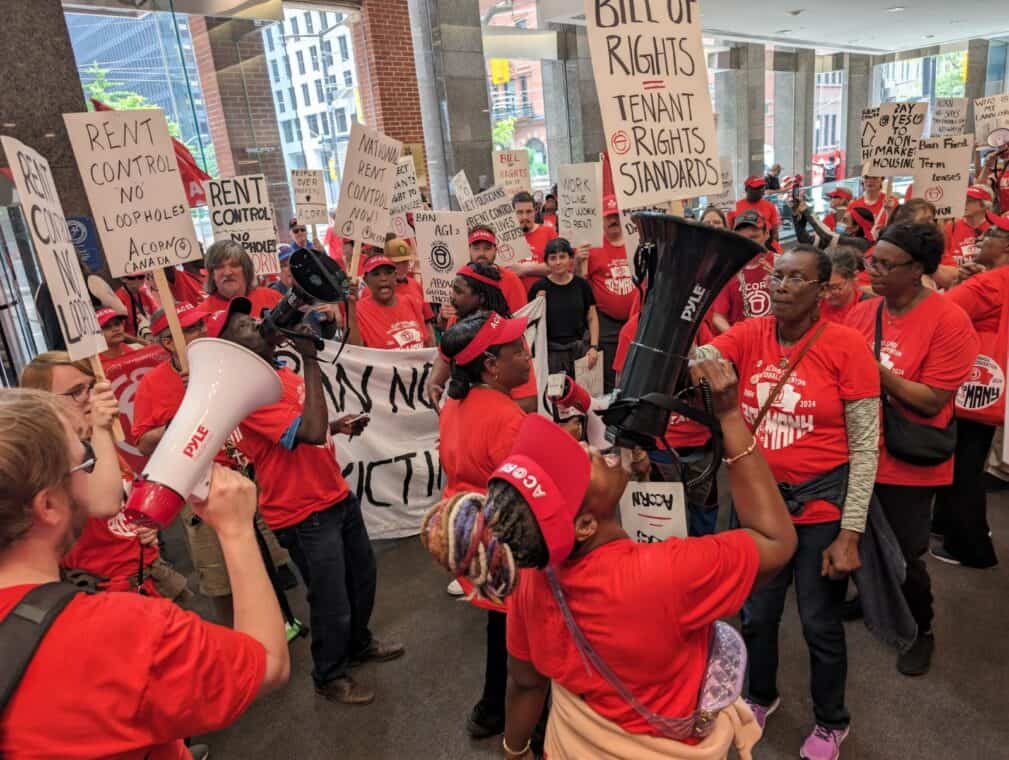
‘A little goes a long way’ in keeping people housed, advocates say, and the social costs of not addressing the housing crisis are immeasurable.