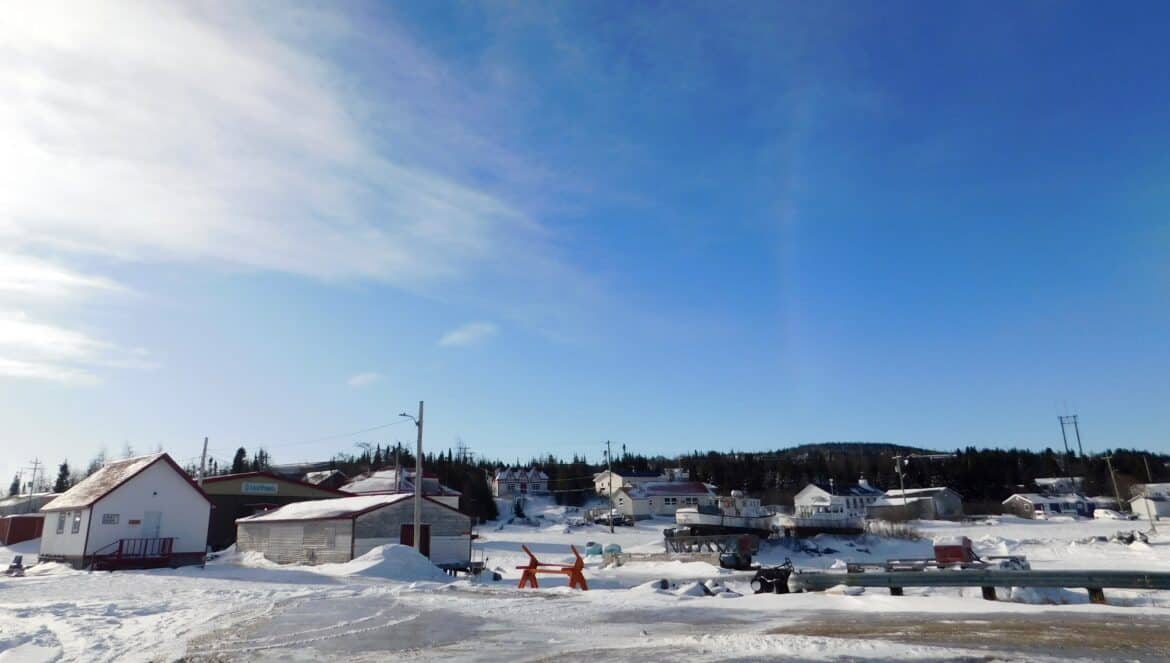
Inuit face food insecurity, cultural loss 13 years into Labrador caribou hunting ban
This is the first piece from Frey Blake-Pijogge, a writing fellow working with The Philanthropist Journal and The Independent in Newfoundland and Labrador.
Philanthropy has a crucial role to play in supporting the chronically underfunded work of gender justice organizations – which are holding communities together in an age of precarity – and the moment is now.
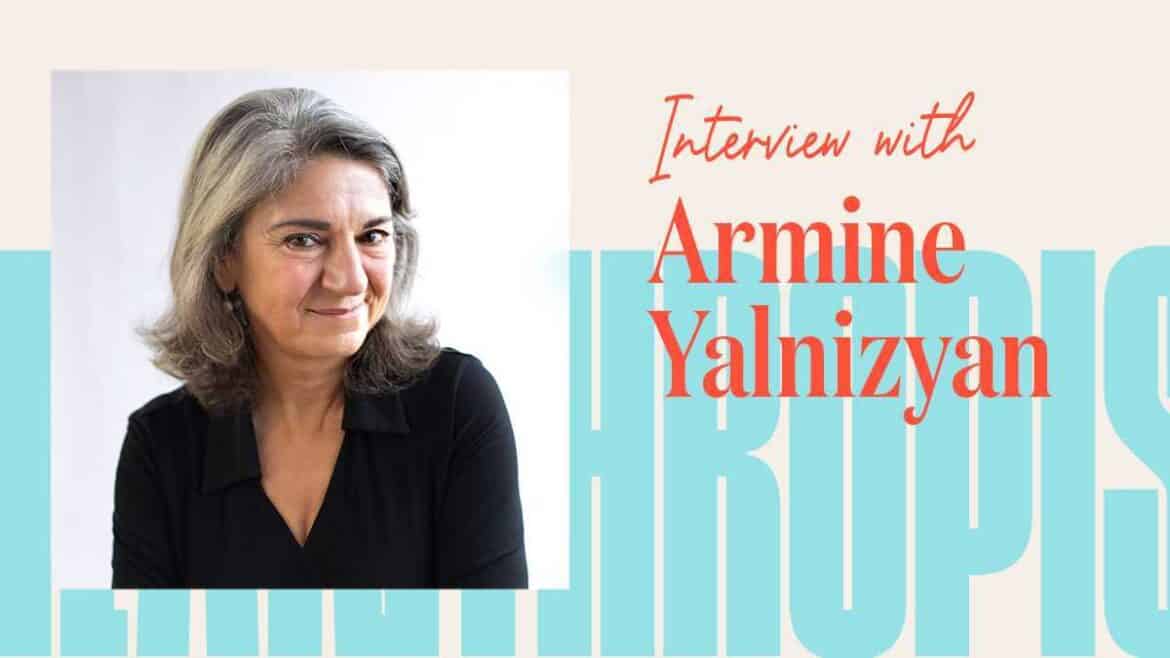
While Budget 2025 does not include a strategy to systemically support programs and services that non-profits and charities provide – or the Canadians working at these organizations – “it could have been worse,” says economist Armine Yalnizyan, the Atkinson Fellow on the Future of Workers.
A projected 80% decrease in Women and Gender Equality Canada (WAGE) funding ahead of the federal budget highlighted a level of precariousness that feminist and 2SLGBTQIA+ organizations and activists have been calling attention to for decades.
While civil society and international cooperation face existential challenges, organizers of the Cooperation Canada Leaders’ Forum see an opportunity to revive hope through unity, solidarity, and collective action in resisting authoritarianism and advancing human rights.
The charitable hunger-relief sector is in the unique position of knowing how to not only respond to rising food insecurity, but to champion long-term change in this space, writes Second Harvest CEO Lori Nikkel.
In conversation with Philanthropist Journal writers Tim Harper and Aiden Cyr, Omidvar discusses her legacy in the upper chamber, a lifetime of advocating for the underdog, and passing the baton to new champions of the non-profit sector.
Book Reviews, Personalities & Interviews
More than three decades after the Mohawk Resistance at Kanesatake, the activist, artist, and filmmaker who was on the front lines doesn’t see much progress in Canada’s treatment of Indigenous Peoples. She hopes her new book will help educate Canadians.