Leadership fit for purpose: Why non-profits keep choosing the wrong leaders
Instead of asking, “Who is the best leader?” contributor Stephen Murgatroyd argues, boards should be asking, “What kind of leadership is required by this organization now?”
Instead of asking, “Who is the best leader?” contributor Stephen Murgatroyd argues, boards should be asking, “What kind of leadership is required by this organization now?”
A Supreme Court judgment that allows Democracy Watch to keep pursuing its challenge of an ethics report on Justin Trudeau’s involvement in government decisions related to WE Charity has “enormous” implications, Tim Harper writes.
Charitable gaming is changing the social contract between donors and not-for-profits, Dan Monafu writes. He wonders if it’s the win-win it professes to be, or something closer to a lose-lose scenario.
Canada’s non-profit care labour force is essential infrastructure. It is time to treat it that way, United Way/Centraide Canada’s Anita Khanna argues.
La main-d’œuvre canadienne du secteur des soins sans but lucratif est une infrastructure essentielle. Il est temps d’agir en conséquence, plaide Anita Khanna de Centraide United Way Canada.
The closer donors get to the work, the more likely they are to see their philanthropy not as a transaction, but as a relationship, Keith Brewster writes – one that deserves to be fostered, nurtured, and, inherently, invested in.
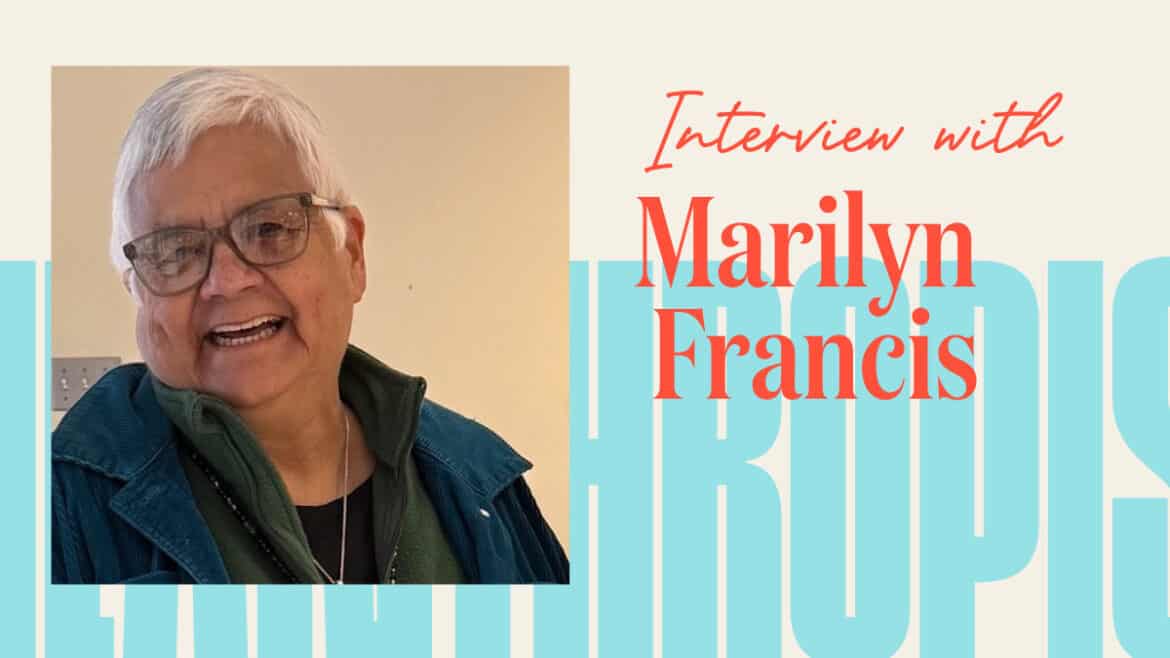
This is our first story in a new series that will celebrate those rare individuals, the unsung heroes, who are the heart and soul of their organizations.
Stories, both personal and traditional, can help us imagine new ways of doing things when we can’t think of any options but the ones that keep failing, writes storyteller Dan Yashinsky. He shares a few examples.