Investir dans la philanthropie autochtone par la réciprocité
Les valeurs de don, de partage et d’entraide sont profondément ancrées dans les cultures autochtones. Ces traditions séculaires de réciprocité, de responsabilité mutuelle et de
Despite hefty logistics, Canadian foundations and organizations are turning to attention-grabbing prizes as a model to spark innovation, give back, and increase awareness on social and environmental issues.
Host Ratna Omidvar talks to Lucy Bernholz and Justin Wiebe about a way forward for philanthropy, including a broader understanding of the many ways people give and care for their communities.
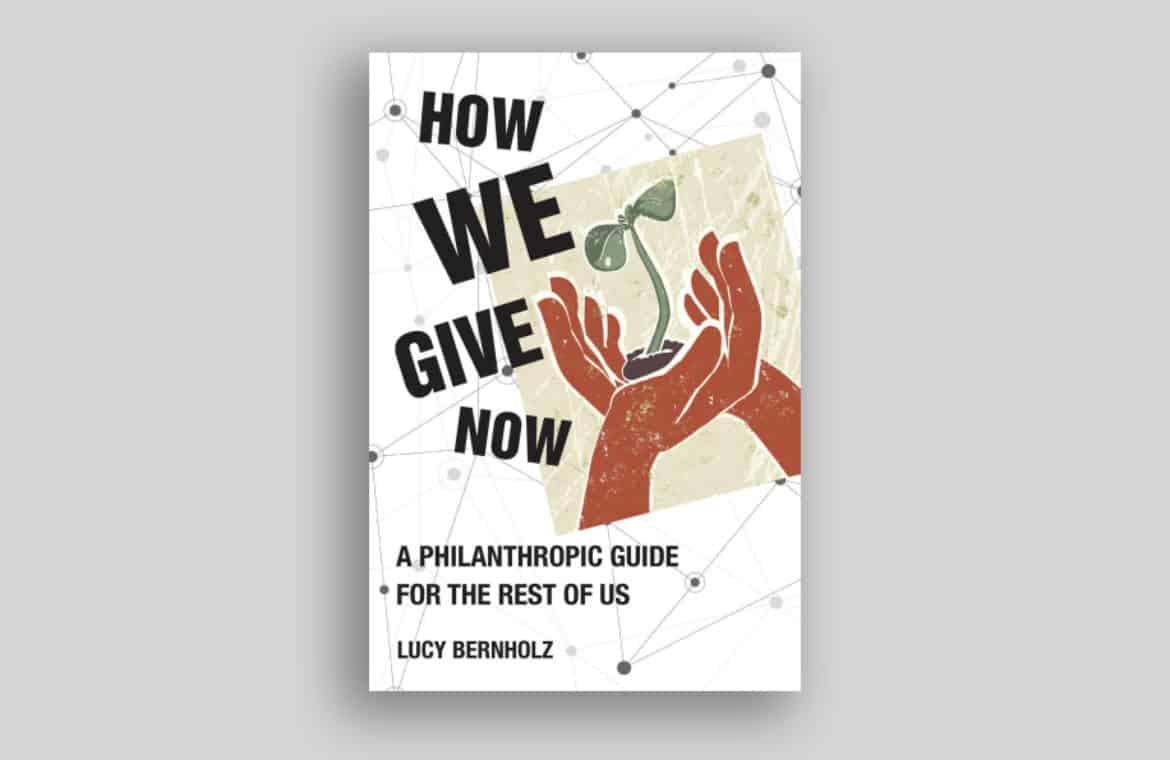
Lucy Bernholz’s central message in her book is that giving is about participation and engagement by all of us for all of us. But to be fully realized, giving must involve participation with others, must be driven by a clear set of moral and political values, and must contribute to shaping the society we want.
The Foundation for Black Communities has a broad mandate to understand communities’ needs and to build trust and capacity so those communities’ futures are defined and stabilized in perpetuity. Doing so starts with a fresh take on governance.
Host Ratna Omidvar explores with Liban Abokor, co-founder of Foundation for Black Communities, the nature of philanthropic wealth – who it belongs to – and how to hold the philanthropy sector accountable to the communities it serves.
Amidst growing critiques of private giving, Ratna Omidvar, host of the Reimagining Philanthropy podcast, asks author and researcher Beth Breeze if philanthropy is still relevant. Breeze asserts that we hear more about the smaller problems than the greater good that philanthropy contributes to society.
The sector’s accountability relationships and how it defines and accounts for “success” are in need of an overhaul, says contributor Nancy Pole. In the fifth article in our Rethinking Philanthropy series, she argues that philanthropic foundations can play a leading role in this transformation – and in so doing, think differently about their own accountabilities.