What happens to labour rights in a sector built on care?
While non-profit workers fulfill the needs of their communities, many are overworked and under-compensated by their employers.
While non-profit workers fulfill the needs of their communities, many are overworked and under-compensated by their employers.
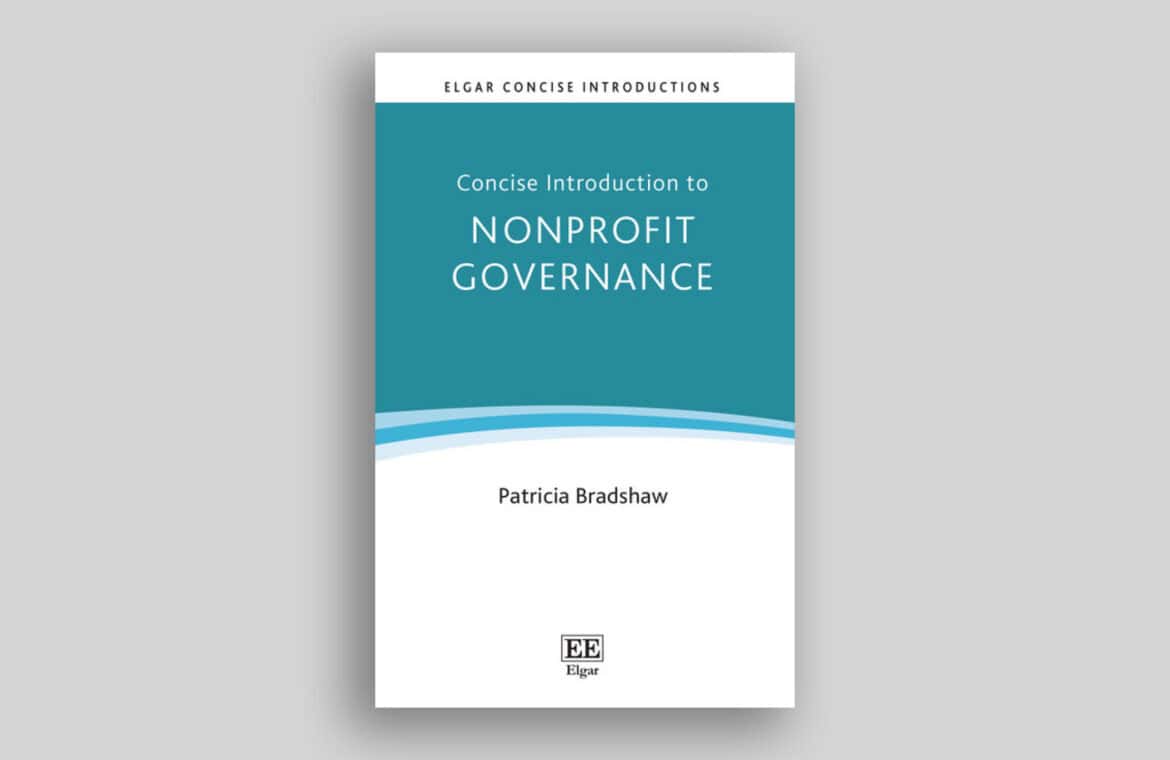
The Concise Introduction to Nonprofit Governance lives up to its title without sacrificing ambition, reviewer Julia Carr writes. Aimed primarily at students, it is also a valuable resource for board members and governance consultants.
Inotsiavik is offering youth-led cultural programming, Inuttitut lessons, and more in northern Labrador. Founders say that winning the million-dollar Arctic Inspiration Prize in 2024 allowed them “to have the freedom to just do what the community wants to see.”
Though some governments and funders shying away from DEI are dominating headlines, the Anima Leadership CEO and co-founder proves that workplace equity is more than just in demand – it’s necessary.
As non-profits consider how to strengthen capacity for the future, communications warrants attention at the executive level. It isn’t something to deploy at the end of a process; it’s a strategic lever in how trust is built, tested, and sustained from the start.
Funding for gender justice rarely fits neatly into a single funding category. It requires both front-line service and system-level advocacy and it’s hard to capture in an elevator pitch. This is where gender justice and trust-based philanthropy must come together.
When leadership often looks like secrecy and fighting to protect power over justice, feminist leadership is different. For YWCA Canada, that means acting with integrity no matter who’s watching, and sharing power, not hoarding it.
This is the first piece from Frey Blake-Pijogge, a writing fellow working with The Philanthropist Journal and The Independent in Newfoundland and Labrador.