Philanthropist’s new writing fellows will explore work and working
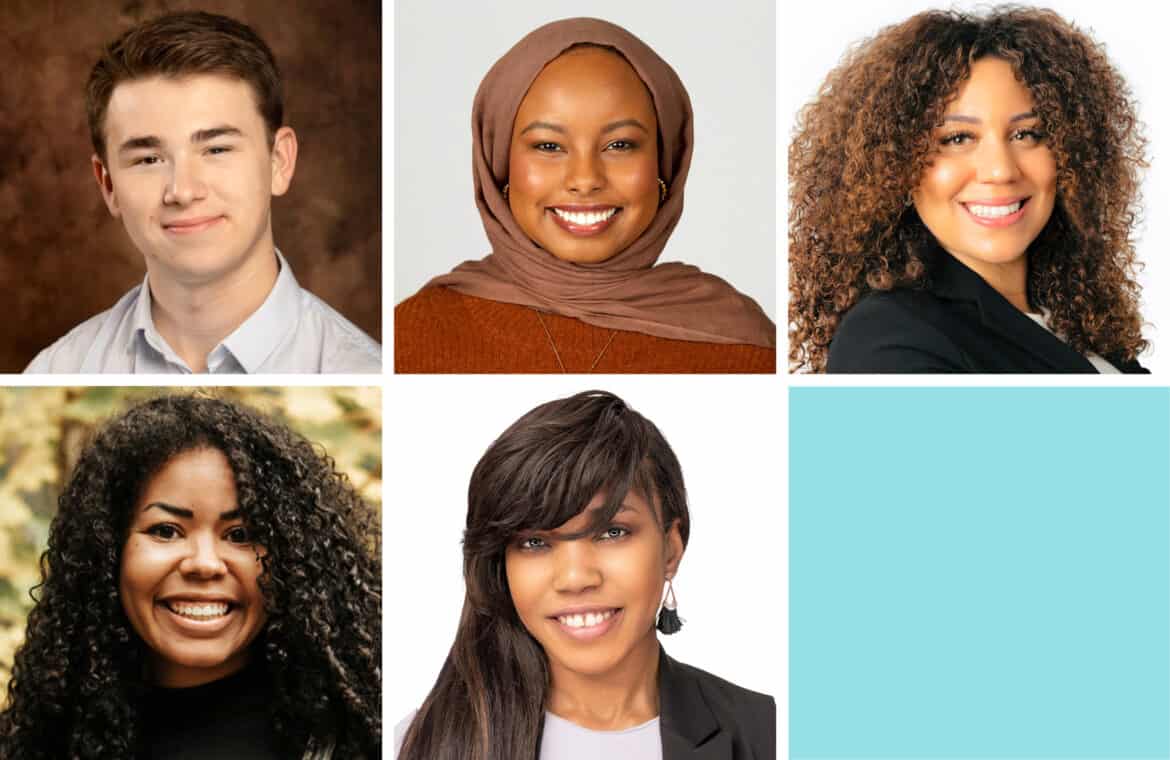
The Philanthropist Journal is pleased to introduce the selected fellows who will be bringing you stories on work and working this fall and winter.
The Philanthropist Journal is pleased to introduce the selected fellows who will be bringing you stories on work and working this fall and winter.
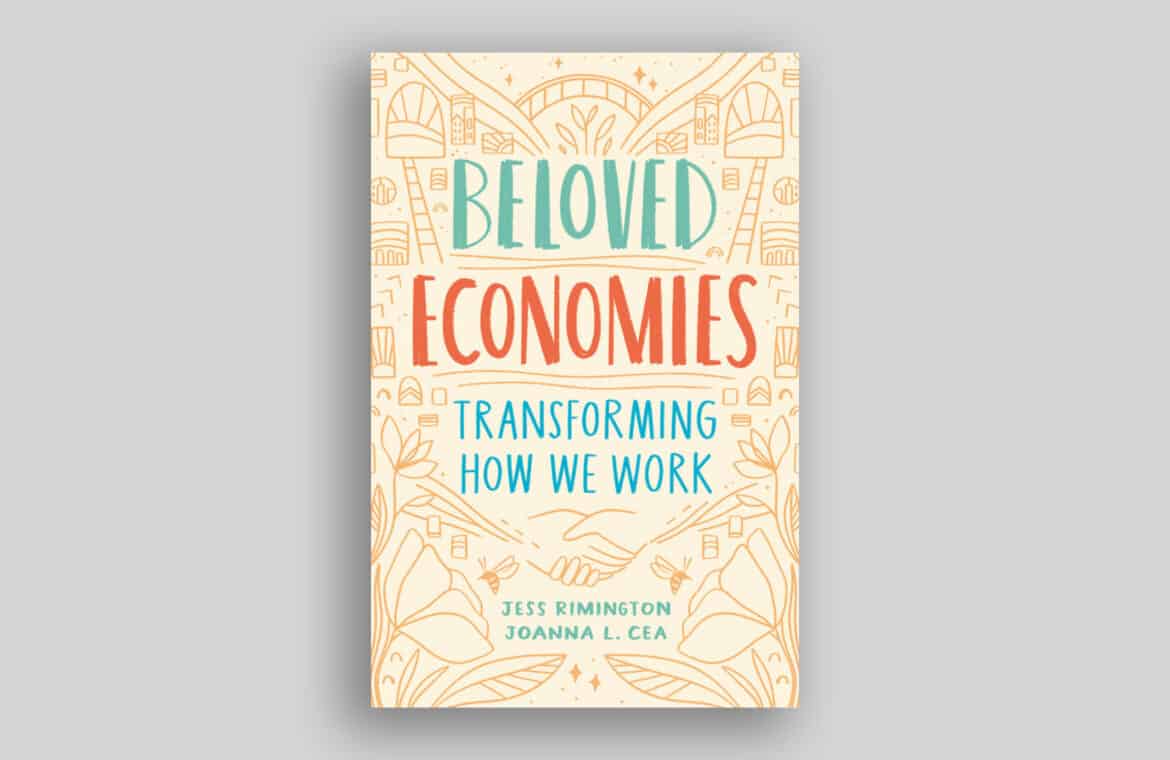
The authors of Beloved Economies believe that businesses, co-operatives, non-profit organizations, and public institutions are microcosms that have the potential to effect real change – that pockets of innovation, using the seven practices described in the book, will lead to ripple effects in the whole economy and change “business as usual.”
What should organizations with underused office spaces do? Is the pre-pandemic hum necessary, and if yes, how can this vibrancy happen when workers are not in shared workspaces? What will happen if staff do not feel engaged? Contributor Yvonne Rodney talked to leaders from one collective that has tackled the empty-office problem about what they have learned.
In this reflection on Cannexus, the national career-development conference, Ashleigh-Rae Thomas wonders how she and another participant could have such contrasting reactions to discussions of diversity in the workplace. Black, Indigenous, and racialized people all know well the importance of DEI efforts. But what about decision-makers and people in positions of power who feel nonchalant toward, or even attacked by, equity initiatives in the workplace?
As we celebrate our mothers and caregivers this Mother’s Day, we need to address the gendered catch-22 of motherhood, writes Paulette Senior. Philanthropy must move beyond the ethos of “motherhood as solution” or “motherhood as problem,” she says, and centre women’s humanity beyond their care work – and get ambitious about lightening their load.
Organizations are struggling to recruit and re-engage volunteers since COVID. We offer three solutions from organizations that are meeting the challenge by focusing on retaining and caring for their volunteers.
Where should work happen, and when? For how many hours? Post-pandemic, our assumptions about the nature of work have been turned upside down. Contributor Yvonne Rodney outlines the many questions the new zeitgeist has raised and talks to three sector leaders about the practices and changes their organizations have put in place to try to tackle these challenges.
This fellowship is dedicated to recognizing and sharing the storytelling and writing talent of young Black and Indigenous writers. Through funding and support from the Workforce Funder Collaborative, we are offering four paid fellowship opportunities for Indigenous and Black writers who are between 18 and 30 years old to publish writing at The Philanthropist Journal on the future of work and working.