How philanthropy went wrong and how to fix it
Amy Schiller’s criticism of philanthropy is not that it is fundamentally wrong but that it needs to focus less on utility and more on beauty, writes reviewer Hilary Pearson.
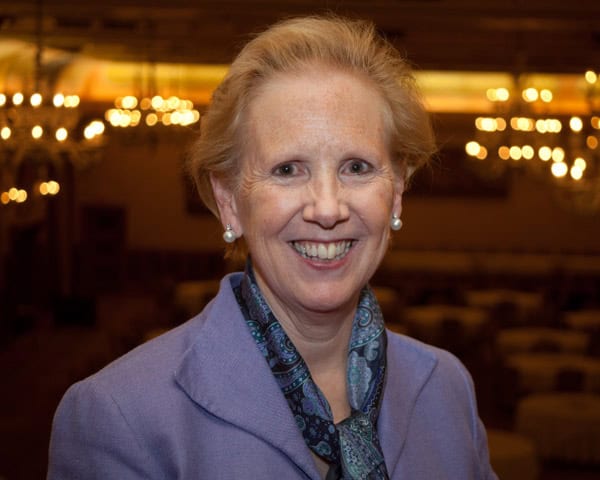
Hilary Pearson has worked in the field of foundation philanthropy in Canada for close to 30 years. As the founding president of Philanthropic Foundations Canada from 2001 to 2019 and as a consultant, writer, and interested observer, she has collaborated with many charitable foundations across the country.
Author of many articles, book reviews, and columns, she speaks frequently on Canadian philanthropy at conferences and workshops in Canada and internationally. She writes a regular blog on trends and issues in foundation philanthropy at hpearson.ca and is the author of the 2022 book From Charity to Change: Inside the World of Canadian Foundations.
From 2019 to 2023, Hilary was co-chair of the Advisory Committee on the Charitable Sector, advising the federal minister of revenue on charitable policy and regulatory issues. In 2018, she was made a member of the Order of Canada for her contributions to building the field of philanthropy in Canada. She serves as chancellor of Brock University in Ontario and sits on several non-profit boards, including the board of the Canadian Cancer Society.
Hilary lives on the mountain in Montreal and keeps active climbing the streets with her golden doodle.
Amy Schiller’s criticism of philanthropy is not that it is fundamentally wrong but that it needs to focus less on utility and more on beauty, writes reviewer Hilary Pearson.
In his new book, author Jacob Harold presents nine “tools” that can be used – in combinations or recombinations, depending on one’s strategy – to address complex social problems.
How can the charitable sector and government make better policy together? Hilary Pearson, outgoing co-chair of the Advisory Committee on the Charitable Sector, suggests four structural elements that shape the effectiveness of these processes – but notes we already have the roadmap we need for deeper policy dialogue.
A new book by UK historian Rhodri Davies defines philanthropy not as a stand-alone concept but in relation to social values and political and economic systems – and casts a searching eye on its dilemmas. Reviewer Hilary Pearson recommends it as a good starting point for any new philanthropist or student of philanthropy.
“Future people count. There could be a lot of them. We can make their lives go better.” These statements capture the essence of the argument made by the author of What We Owe the Future. William MacAskill is widely known as the primary exponent of effective altruism, an approach to “doing good,” in his words, that has as much impact as possible on the well-being of people across the world.
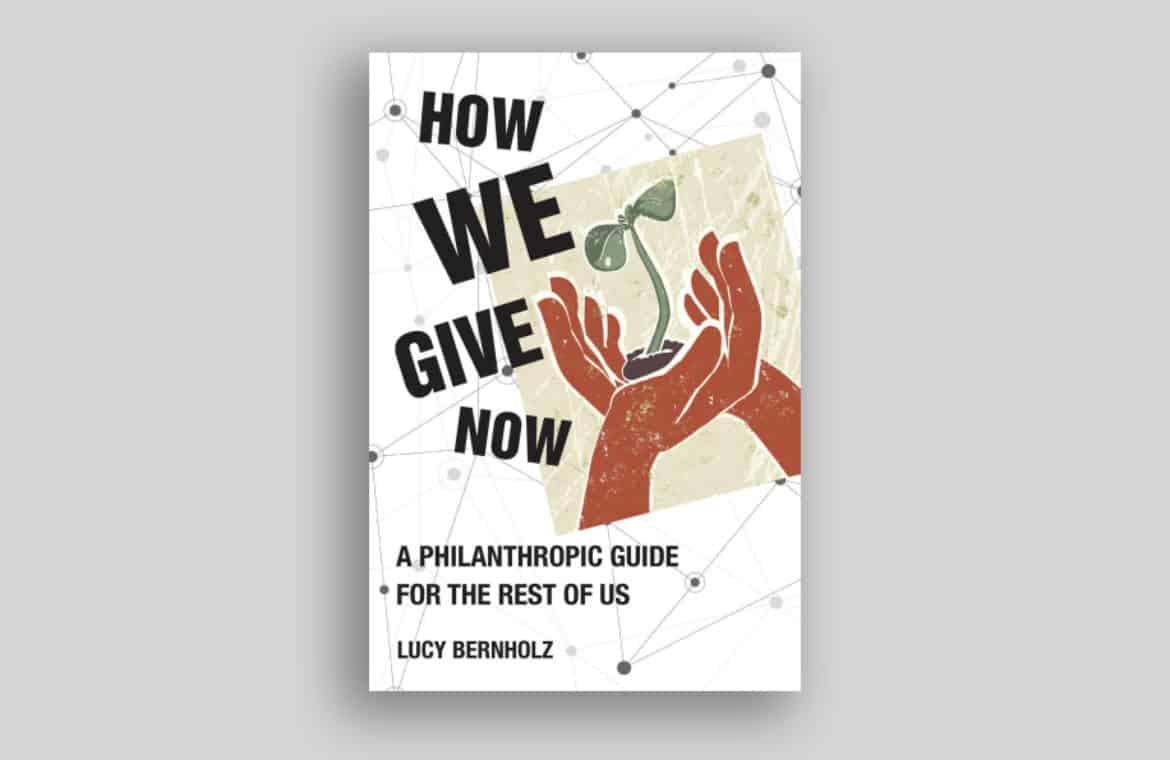
Lucy Bernholz’s central message in her book is that giving is about participation and engagement by all of us for all of us. But to be fully realized, giving must involve participation with others, must be driven by a clear set of moral and political values, and must contribute to shaping the society we want.
We asked Hilary Pearson, who frequently reviews books for The Philanthropist Journal, to comment on “A Short History” as a way of providing an entry point for the article.
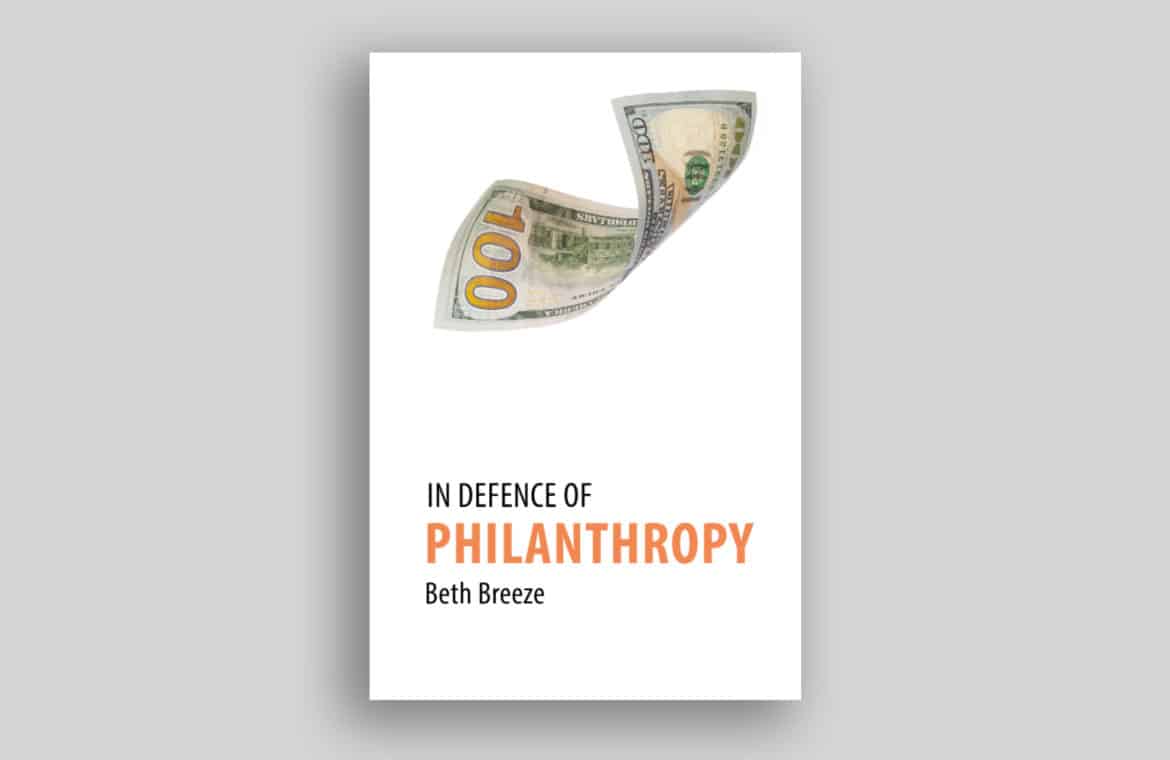
In her strongly argued new book, author Beth Breeze takes on three main critiques of the urge to give and offers her own prescription for how philanthropy can be improved.